


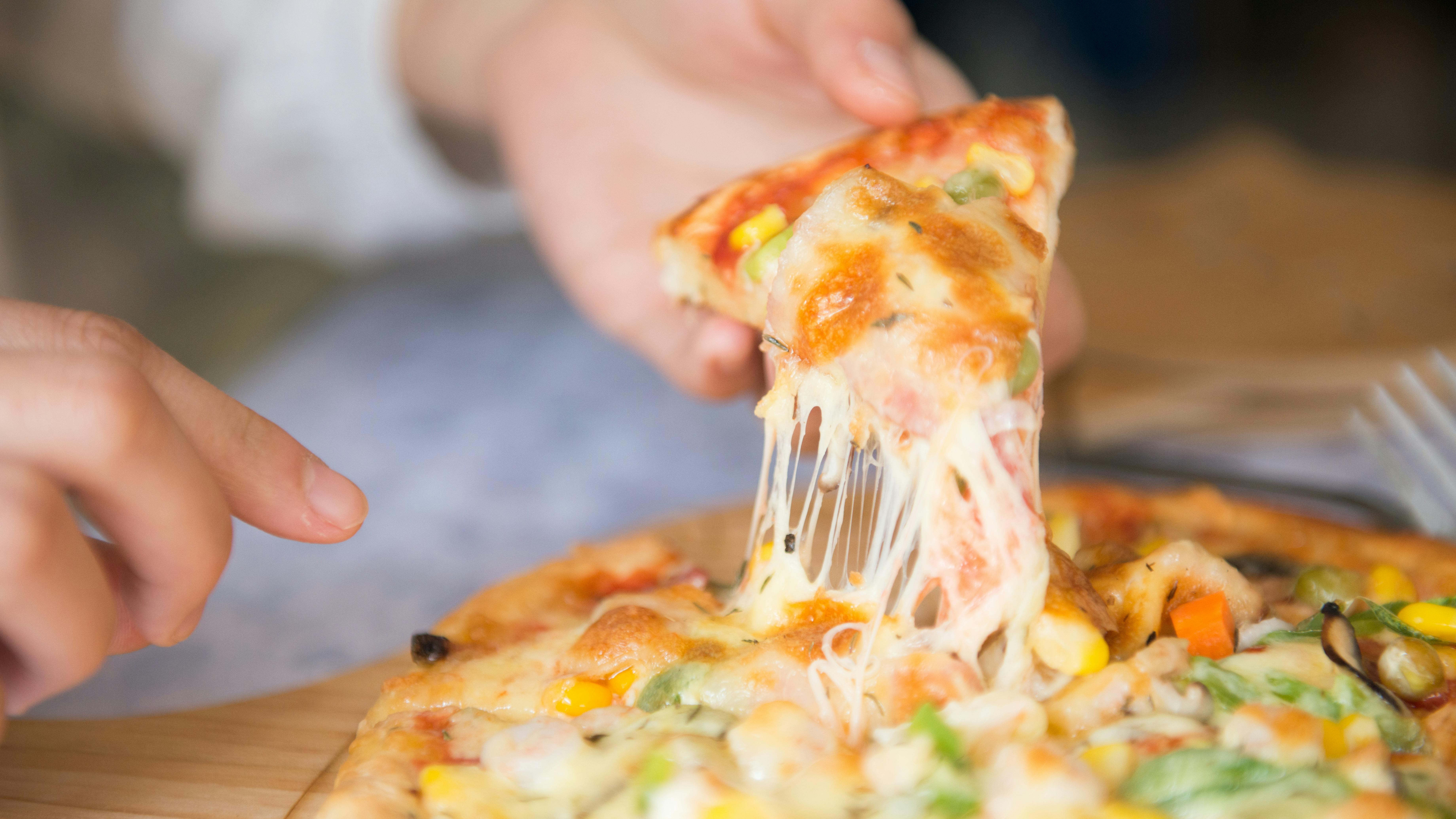
Let’s consider two examples from among the highest climate impact products consumed regularly: beef and mozzarella cheese. Concito’s ‘The Big Climate Database’, calculates the CO2e impact of minced beef (in Denmark) at 37.03-41.15kg CO2e per kg of product (depending on fat content) and of mozzarella at 6.63kg CO2e per kg of product. On the other hand, in the CarbonCloud international database (Climate Hub) of more than 50,000 products, the same products are calculated at 22.64kg CO2e per kg of minced beef and 10.08kg CO2e per kg of mozzarella.
Obviously there’s something wrong here.
The difference in results can be explained by the difference in the calculation methodologies. The Big Climate Database uses C-LCA (Consequential Life Cycle Assessment) which follows ISO 14040 that describes the general principles and the conforming framework for a LCA, and ISO 14044 that outlines the requirements and guidelines. Meanwhile CarbonCloud uses A-LCA (Attributional Life Cycle Assessment) which follows ISO 14067 that is more specific on the quantification and reporting of climate impact. It also follows the guidelines of ISO 14040 and 14044, and specifies even further on how to account for climate change and the climate footprint of a specific product. Therefore it is considered the global reference for the carbon footprint of products.
In everyday language, what this means is that A-LCA looks at the climate impact of a product right now and tells us how it affects the environment currently, without considering what may happen in the future. C-LCA looks at how a product might affect the environment in the future and considers what could happen if changes are made in production or consumption. So A-LCA is based more on fact about the product and its manufacturing process and supply chain, while C-LCA is more theoretical and lots of uncertainties could be associated with the interpretations of the calculations.
In fact, in the background report to The Big Climate Database, the authors recommend that it be used for general information and education purposes only. It is not suitable for climate labeling, marketing or taxation of specific foods. It also highlights further limitations with the database.
When it comes to nutrition information on any food product, the information is clear, simple and most importantly precise. What about when it comes to climate information? Surely we deserve the same clarity, simplicity and precision? If only there was an industry standard to determine the climate impact of the various food products we pick up every week in our supermarkets.
The Danish government agrees. And in April 2022 initiated development work for a proposal on what a future climate label in Denmark might look like. The label is intended to help consumers choose food with a lower climate footprint when shopping. And at the same time support and promote food production with a lower climate impact.
To develop the climate label, a working group was set up consisting of The Danish Veterinary and Food Administration and stakeholders from the retail industry, food industry and consumer organisations. The group completed its work and submitted their recommendations to Jacob Jensen, the Minister of Food, Agriculture and Fisheries, on 27 April 2023. Now, two years later, we still don’t have a finalised climate label.
The delay is caused by a dilemma within the Danish Veterinary and Food Administration. Until recently, there was consensus between the original stakeholder group and the Ministry that the Danish Climate Label would be backed by data using A-LCA calculations. This is widely accepted by the scientific community and by EU working groups working on establishing an EU wide climate label. Now, recent reports suggest that the Ministry is considering using C-LCA.
The A-LCA method enables food producers to calculate, map out, understand and act on the climate footprint of their products. Where do emissions occur? Where in the supply and production chain are the majority of emissions? What can be done to reduce them? It incentivises food producers to innovate towards a more sustainable future, and with the recent Danish carbon tax, A-LCA provides a clear way for manufacturers to calculate carbon reduction. By taking into account details of every step in the process from the farm to the supermarket shelf, it enables food manufacturers to identify where in the food chain they can make the biggest improvements.
Concito’s C-LCA method offers average climate impacts and therefore do not reflect the large variations that can exist within each product type. For example, in cheese, The Big Climate Database (C-LCA) has the same figure (6.63kg CO2e per kg of product) for cream cheese, blue cheese, Danbo, mozzarella and Parmesan. While CarbonCloud has individual figures for each of these different cheese types.
The EU is currently also working on a climate label, Product Environment Footprint (PEF), and as a EU country, Denmark is not allowed to develop an independent and mandatory climate label. As the EU mark will be backed up by the A-LCA methodology, it does not make sense for Denmark to be developing a climate label with an alternative methodology. This is confirmed by Niels Peter Nørring, Climate Director of The Danish Agriculture and Food Council, who along with the majority of the 16-member stakeholder group has written to Danish Veterinary and Food Administration to stick to the original plan. Which is to create a climate label with a dual purpose: to make it easier for consumers to make climate-friendly choices and to give producers a better incentive to reduce the climate footprint of food products.
References
